DOBRÉE
MUSEUM
NANTES
FRANCE, 2010
CULTURE
PR–412
The site and interior of the Dobrée Museum possess the charm of places shaped by the history of the city and its regional culture. The museum’s extension and renovation project is based on the principle of “working with what already exists,” both out of respect for heritage and to reveal its full value.
PROGRAM
The Palais Dobrée, a 19th-century neo-Romanesque building, has been restored to house permanent exhibition spaces (1,300 m²) and the museum’s administration. The Manoir de la Touche, a 15th-century building, has been renovated and is now used for temporary exhibitions on three floors. The Voltaire building has been restructured and partially rebuilt to house a documentation and research center, maintenance workshops, and conservation offices. A contemporary 1,350 m² extension, built under a glass roof, houses the public services: reception hall with ticket offices, cloakrooms and toilets, restaurant area, shop, 200-seat auditorium, educational and innovation workshops, as well as a large 850 m² temporary exhibition space. The complex is completed by a logistics and conservation area in the basement, including an unloading area, modular storage rooms, and storage facilities.
DETAIL
Situation
Rue Voltaire, Nantes, France
Year
2010
Status
International competition, winning project
Site area
10 350 m²
Built-up area
11 500 m²
Project management
Conseil Général de Loire Atlantique, Nantes
Project implementation
Dominique Perrault, architect, urbanist
Landscaping
AWP
Design offices
CERA, RPO, Jean-Paul Lamoureux
DESCRIPTION
At the heart of this concept is a poetic and magical garden centered around a central glass surface, shimmering like water and reflecting the museum’s architecture. A stroll through this garden offers a unique view of the neighborhood and the singular light of the Loire Valley.
READ MORE
The architecture blends into the sky, floating above this “liquid surface,” with glass becoming a metaphor for water. Functionally, all public and logistical functions are embedded beneath the garden, in the ground. This underground space creates a unifying link for all the buildings on the site. The glass ceiling, which appears to be exterior, is equipped with an opacification and filtration system that guarantees visual and thermal comfort.
The Voltaire building is undergoing restructuring and partial reconstruction: its foundations and substructures are being preserved, and it is being rehabilitated with the addition of a stone skin, in harmony with the historic buildings. In this way, the Dobrée Museum pays tribute to its heritage architecture while creating a sublime landscape, both luminous and poetic, where architecture and heritage interact harmoniously.
RELATED PROJECTS
LIGHTWALK – GANGNAM INTERNATIONAL TRANSIT CENTER
PR-669
Masterplan
Seoul
TECHNICAL CENTER FOR BOOKS
PR 085
Culture
Bussy-Saint-Georges
GROUNDSCAPES DESIGN LAB – RETHINKING CITIES UNDERGROUND
RE-002
Research
SAN PELLEGRINO THERMAL BATHS
PR-362
Hospitality
Bergamo
EXHIBITION HALL LEÓN
PR-555
Culture
León
THE FRENCH NATIONAL LIBRARY
PR 083
Culture
Paris
NOTRE-DAME-DU-LAUS SANCTUARY
PR-443
Culture
Gap
MISSION ÎLE DE LA CITÉ PARIS – ORIENTATION TOWARDS 2040
RE-004
Research
Paris
CONSERVATION OF THE DOMAINE DE FRAPOTEL – PRESENTATION, HERITAGE, LEGACY
RE-004
Research
FONDATION PINAULT FOR CONTEMPORARY ART
PR 192
Culture
Boulogne-Billancourt
CENTRE POMPIDOU-METZ
PR 231
Culture
Metz
MESH / WEAVE THE METAL – FROM INDUSTRY TO ARCHITECTURE
RE-001
Research
GRAND THEATER
PR 487
Culture
Albi
SEOUL OPERA
PR 313
Culture
Seoul

MUSEUM OF MODERN ART (MoMA)
PR 113
Culture
New York
REINA SOFIA MUSEUM
PR 143
Culture
Madrid
CCTV BEIJING
PR-211
Workplace
Beijing
DUFOUR PAVILLION
PR-517
Culture
Versailles
CULTURAL COMPLEX LAUSANNE
PR 505
Culture
Lausanne
KANSAI-KAN LIBRARY
PR-099
Culture
Kyoto
CAMPUS MERCEDES-BENZ
PR 444
Culture
Stuttgart
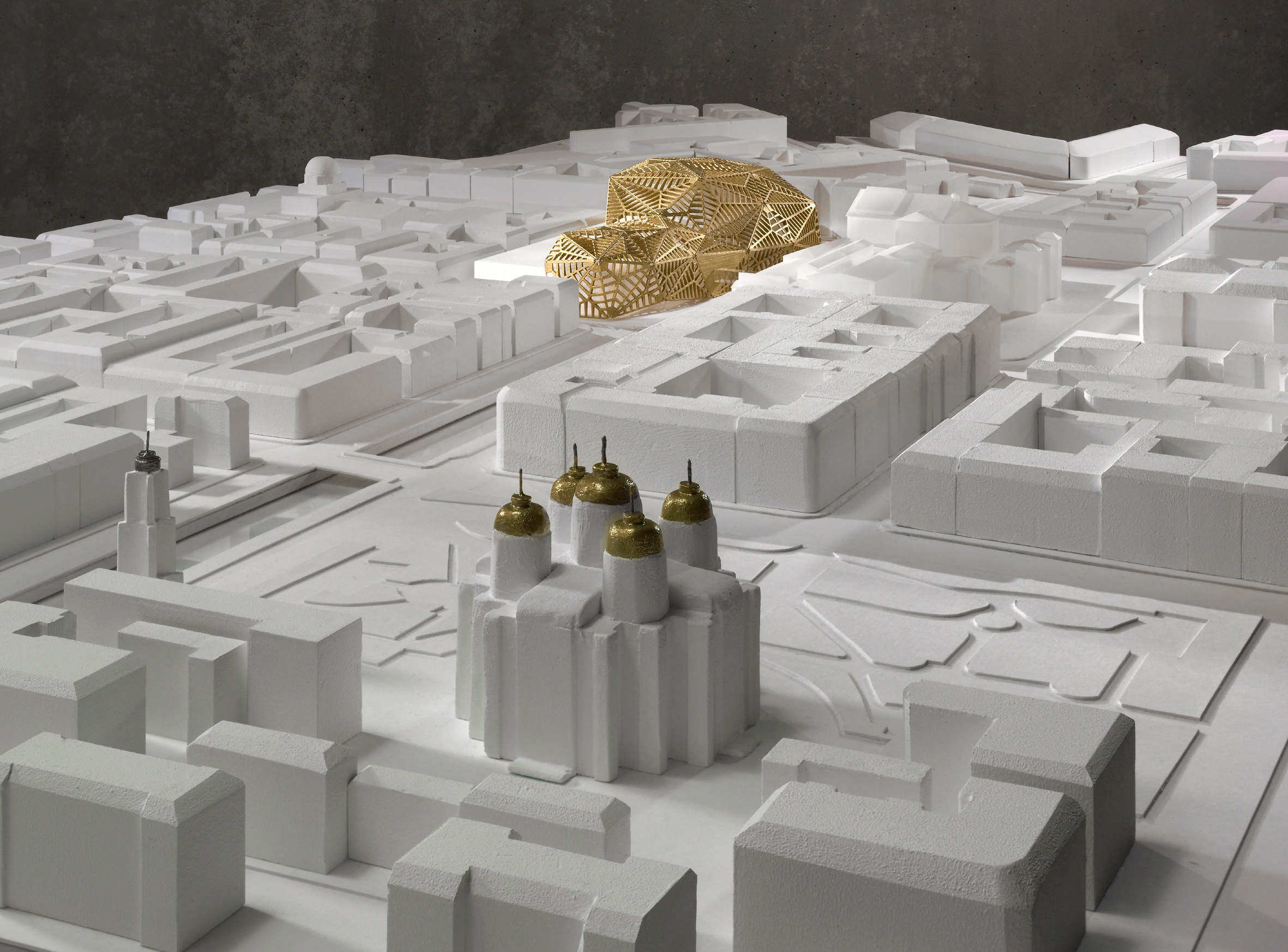
MARIINSKY THEATER
PR-238
Culture
St-Petersbourg
